


• STANDARD BANK LUJU FOOD AND LIFESTYLE FESTIVAL 2026: WHERE AFRICAN CULTURE, FLAVOUR, FASHION AND MUSIC CAME ALIVE IN MALKERNS
    Inside Eswatini’s most stylish celebration of food, fashion, music and African creativity
    MALKERNS, ESWATINI — There are festivals you attend, and then there are festivals you experience.
    For two unforgettable days, the Malkerns Valley became a canvas for African creativity as the Standard Bank Luju Food & Lifestyle Festival 2026 brought together music, fashion, food, culture and some of the region’s most exciting creative minds.
    Held on 1 and 2 August at House on Fire, this year's edition embraced the theme “A Return to the African Future” a concept that captured the essence of Luju itself: looking back to African heritage while confidently imagining what comes next.
    From the food served at the culinary experiences to the designs on the runway, the artists commanding the stages and the guests turning the festival grounds into a moving fashion editorial, Luju 2026 was a celebration of Africa in all its complexity and beauty.
    Luju is where heritage meets modernity, where African stories are not simply remembered, but reimagined.

    A CELEBRATION THAT BEGINS WITH THE GUESTS
    The Luju experience begins long before the first note is played.
    It begins with the arrival.
    Across the Malkerns grounds, guests embraced the opportunity to express themselves through fashion, colour and personality. Contemporary African prints, flowing silhouettes, statement accessories, tailored pieces and heritage-inspired looks transformed the festival grounds into an open-air showcase of personal style.
    The atmosphere was effortlessly sophisticated yet distinctly African.
    Among the guests were creatives, entrepreneurs, business leaders, food enthusiasts, fashion lovers, music fans and cultural tastemakers from Eswatini and across the region.
    The diversity of the crowd is part of what makes Luju special. A chef could be found in conversation with a designer; a musician could be sharing a table with a business executive; and a young creative could find themselves networking with an established industry leader.
    It is this intersection of culture and connection that has helped Luju grow beyond the traditional festival experience.

    THE CULINARY STORY: NGUNI FOODWAYS
    Food at Luju has never been merely about eating.
    It is about memory.
    It is about identity.
    It is about the stories that survive through recipes, ingredients and generations.
    This year's culinary programme, “Nguni Foodways,” explored the traditions and food heritage connecting Nguni communities across Southern Africa, while giving chefs the freedom to reinterpret those traditions through contemporary culinary techniques.
    The result was a programme that felt both deeply rooted and refreshingly modern.
    Guests were treated to experiences including Thobile Makhoyane's Nguni Mcombotsi Circle, while Zimbabwean chef Prince Sivalo Mahlangu explored ancestral ingredients, foraging and fermentation through Ancestral Forage & Ferments.
    Acclaimed South African chef Mmabatho Molefe brought her distinctive interpretation of Nguni cuisine to the festival through an elevated fine-dining experience, while Eswatini's own Chef Sive Bhembe introduced an Nguni-inspired dessert experience.
    The culinary programme was further enriched by Coco & J, whose Afroguese concept combined food, storytelling and music.
    The result was an experience that demonstrated that African cuisine can honour tradition while embracing innovation.
    At Luju, the plate becomes a passport into African memory.

    FASHION: ONCE UPON A TIME
    If food carried the stories of generations, fashion gave those stories a new silhouette.
    This year's fashion theme, “Kwasukasukela – Once Upon a Time,” invited designers and festivalgoers to draw inspiration from African folklore, heritage, nature and stories passed down through generations.
    The result was one of the weekend's most visually captivating experiences.


    Acclaimed South African designer Mzukisi Mbane, founder and creative director of Imprint South Africa, brought an Afro-futurist perspective to the programme, perfectly complementing the festival's theme of reconnecting with African heritage while looking towards the future.
    But perhaps one of the most significant aspects of this year's fashion programme was the spotlight placed on Eswatini's own designers.
    Eleven local designers were given a platform to showcase their creativity, including Adonis Threads by Calvin DuPont, Black Degree by Kwenzie Zwane, Flow Wearz by Zikode Zwane, Philz Creations by Philile Nkwanyana, Rose Peti by Nothando Dlamini, Tash Creations by Thando Ndlangamandla, Uniq_uity by Sinakekelwe Mhlanga, Zerushi by Zen Shiba, Karo Textile by Nomfundo Simelane, Batfobile Edit by Batfobile Dlamini and Wels Craft by Welile Dlamini.
    Their collections reflected an emerging generation of Eswatini designers who are increasingly confident in using fashion to communicate identity, culture and contemporary African expression.
    The runway also extended into the audience, where festivalgoers interpreted the theme in their own distinctive ways.
    This year's Best Dressed competition celebrated two guests who particularly captured the spirit of Luju fashion. Bafana Mavimbela was crowned Best Dressed Male, while Lindo Dlamini took the title of Best Dressed Female.
    Both brought individuality, confidence and African-inspired creativity to their looks, earning them well-deserved recognition.
    Congratulations to Bafana Mavimbela and Lindo Dlamini for setting the style standard at Luju 2026.
    At Luju, fashion is not simply what you wear. It is the story you choose to tell.

    MUSIC: THE SOUNDTRACK OF AN AFRICAN FUTURE
    And then there was the music, the heartbeat of Luju.
    Across the two days, the stages became meeting points for generations, genres and cultures, with performances that moved effortlessly between hip-hop, soul, jazz, maskandi, kwaito, Afro-soul and contemporary African sounds.
    Nasty C brought the energy of contemporary African hip-hop to the Malkerns Valley, commanding the stage with the confidence and intensity that have made him one of the continent's most recognisable young artists.
    His performance was complemented by the soulful storytelling of Wandile Mbambeni, whose folk and country influences created a more intimate musical atmosphere and offered audiences a moment to slow down and simply listen.
    For many festivalgoers, Bholoja represented something particularly special. The Eswatini-born pioneer of Swazi Soul brought his distinctive blend of contemporary African folk and storytelling to the stage, delivering a performance rooted firmly in homegrown identity.
    His presence captured something central to Luju's philosophy: Africa's creative future must remain connected to its own voice.
    The cultural richness continued with Shwi Mantombazana, whose performance brought traditional Zulu musical storytelling to the festival and created a bridge between generations.
    Mandisi Dyantyis added a sophisticated jazz dimension to the programme, giving music lovers an opportunity to appreciate the musicianship and emotional depth of his sound, while Tribal Natives brought a more energetic contemporary African rhythm to the festival grounds.
    Then came the nostalgia.
    The appearance of South African kwaito legend Zola 7 transported many festivalgoers back to an era of iconic township sounds and unforgettable songs. His performance connected generations, with longtime fans singing along while younger audiences experienced the energy of a musical era that continues to influence African popular culture.
    One of the most talked-about moments of the weekend came when Liquideep joined forces to perform their new track live for the first time.
    It was more than a performance. It was a Luju moment.
    The audience had the privilege of witnessing it first live presentation, adding an element of exclusivity and surprise to an already impressive musical programme.
    And as the weekend drew to a close, Zakes Bantwini brought the festival home with a commanding performance that transformed the final stretch of Luju into one enormous celebration.
    The Grammy Award-winning artist delivered exactly the kind of high-energy finale the occasion demanded, leaving festivalgoers dancing, singing and reluctant to let the weekend end.
    From Swazi Soul to kwaito, jazz and contemporary hip-hop, Luju's soundtrack proved that African music has no single sound
    STANDARD BANK LUJU FOOD AND LIFESTYLE FESTIVAL 2026: WHERE AFRICAN CULTURE, FLAVOUR, FASHION AND MUSIC CAME ALIVE IN MALKERNS Inside Eswatini’s most stylish celebration of food, fashion, music and African creativity MALKERNS, ESWATINI — There are festivals you attend, and then there are festivals you experience. For two unforgettable days, the Malkerns Valley became a canvas for African creativity as the Standard Bank Luju Food & Lifestyle Festival 2026 brought together music, fashion, food, culture and some of the region’s most exciting creative minds. Held on 1 and 2 August at House on Fire, this year's edition embraced the theme “A Return to the African Future” a concept that captured the essence of Luju itself: looking back to African heritage while confidently imagining what comes next. From the food served at the culinary experiences to the designs on the runway, the artists commanding the stages and the guests turning the festival grounds into a moving fashion editorial, Luju 2026 was a celebration of Africa in all its complexity and beauty. Luju is where heritage meets modernity, where African stories are not simply remembered, but reimagined. A CELEBRATION THAT BEGINS WITH THE GUESTS The Luju experience begins long before the first note is played. It begins with the arrival. Across the Malkerns grounds, guests embraced the opportunity to express themselves through fashion, colour and personality. Contemporary African prints, flowing silhouettes, statement accessories, tailored pieces and heritage-inspired looks transformed the festival grounds into an open-air showcase of personal style. The atmosphere was effortlessly sophisticated yet distinctly African. Among the guests were creatives, entrepreneurs, business leaders, food enthusiasts, fashion lovers, music fans and cultural tastemakers from Eswatini and across the region. The diversity of the crowd is part of what makes Luju special. A chef could be found in conversation with a designer; a musician could be sharing a table with a business executive; and a young creative could find themselves networking with an established industry leader. It is this intersection of culture and connection that has helped Luju grow beyond the traditional festival experience. THE CULINARY STORY: NGUNI FOODWAYS Food at Luju has never been merely about eating. It is about memory. It is about identity. It is about the stories that survive through recipes, ingredients and generations. This year's culinary programme, “Nguni Foodways,” explored the traditions and food heritage connecting Nguni communities across Southern Africa, while giving chefs the freedom to reinterpret those traditions through contemporary culinary techniques. The result was a programme that felt both deeply rooted and refreshingly modern. Guests were treated to experiences including Thobile Makhoyane's Nguni Mcombotsi Circle, while Zimbabwean chef Prince Sivalo Mahlangu explored ancestral ingredients, foraging and fermentation through Ancestral Forage & Ferments. Acclaimed South African chef Mmabatho Molefe brought her distinctive interpretation of Nguni cuisine to the festival through an elevated fine-dining experience, while Eswatini's own Chef Sive Bhembe introduced an Nguni-inspired dessert experience. The culinary programme was further enriched by Coco & J, whose Afroguese concept combined food, storytelling and music. The result was an experience that demonstrated that African cuisine can honour tradition while embracing innovation. At Luju, the plate becomes a passport into African memory. FASHION: ONCE UPON A TIME If food carried the stories of generations, fashion gave those stories a new silhouette. This year's fashion theme, “Kwasukasukela – Once Upon a Time,” invited designers and festivalgoers to draw inspiration from African folklore, heritage, nature and stories passed down through generations. The result was one of the weekend's most visually captivating experiences. Acclaimed South African designer Mzukisi Mbane, founder and creative director of Imprint South Africa, brought an Afro-futurist perspective to the programme, perfectly complementing the festival's theme of reconnecting with African heritage while looking towards the future. But perhaps one of the most significant aspects of this year's fashion programme was the spotlight placed on Eswatini's own designers. Eleven local designers were given a platform to showcase their creativity, including Adonis Threads by Calvin DuPont, Black Degree by Kwenzie Zwane, Flow Wearz by Zikode Zwane, Philz Creations by Philile Nkwanyana, Rose Peti by Nothando Dlamini, Tash Creations by Thando Ndlangamandla, Uniq_uity by Sinakekelwe Mhlanga, Zerushi by Zen Shiba, Karo Textile by Nomfundo Simelane, Batfobile Edit by Batfobile Dlamini and Wels Craft by Welile Dlamini. Their collections reflected an emerging generation of Eswatini designers who are increasingly confident in using fashion to communicate identity, culture and contemporary African expression. The runway also extended into the audience, where festivalgoers interpreted the theme in their own distinctive ways. This year's Best Dressed competition celebrated two guests who particularly captured the spirit of Luju fashion. Bafana Mavimbela was crowned Best Dressed Male, while Lindo Dlamini took the title of Best Dressed Female. Both brought individuality, confidence and African-inspired creativity to their looks, earning them well-deserved recognition. Congratulations to Bafana Mavimbela and Lindo Dlamini for setting the style standard at Luju 2026. At Luju, fashion is not simply what you wear. It is the story you choose to tell. MUSIC: THE SOUNDTRACK OF AN AFRICAN FUTURE And then there was the music, the heartbeat of Luju. Across the two days, the stages became meeting points for generations, genres and cultures, with performances that moved effortlessly between hip-hop, soul, jazz, maskandi, kwaito, Afro-soul and contemporary African sounds. Nasty C brought the energy of contemporary African hip-hop to the Malkerns Valley, commanding the stage with the confidence and intensity that have made him one of the continent's most recognisable young artists. His performance was complemented by the soulful storytelling of Wandile Mbambeni, whose folk and country influences created a more intimate musical atmosphere and offered audiences a moment to slow down and simply listen. For many festivalgoers, Bholoja represented something particularly special. The Eswatini-born pioneer of Swazi Soul brought his distinctive blend of contemporary African folk and storytelling to the stage, delivering a performance rooted firmly in homegrown identity. His presence captured something central to Luju's philosophy: Africa's creative future must remain connected to its own voice. The cultural richness continued with Shwi Mantombazana, whose performance brought traditional Zulu musical storytelling to the festival and created a bridge between generations. Mandisi Dyantyis added a sophisticated jazz dimension to the programme, giving music lovers an opportunity to appreciate the musicianship and emotional depth of his sound, while Tribal Natives brought a more energetic contemporary African rhythm to the festival grounds. Then came the nostalgia. The appearance of South African kwaito legend Zola 7 transported many festivalgoers back to an era of iconic township sounds and unforgettable songs. His performance connected generations, with longtime fans singing along while younger audiences experienced the energy of a musical era that continues to influence African popular culture. One of the most talked-about moments of the weekend came when Liquideep joined forces to perform their new track live for the first time. It was more than a performance. It was a Luju moment. The audience had the privilege of witnessing it first live presentation, adding an element of exclusivity and surprise to an already impressive musical programme. And as the weekend drew to a close, Zakes Bantwini brought the festival home with a commanding performance that transformed the final stretch of Luju into one enormous celebration. The Grammy Award-winning artist delivered exactly the kind of high-energy finale the occasion demanded, leaving festivalgoers dancing, singing and reluctant to let the weekend end. From Swazi Soul to kwaito, jazz and contemporary hip-hop, Luju's soundtrack proved that African music has no single sound
    0 Comments 0 Shares 594 Views 0 Reviews

  • Fun2Mentals Ep2 Out Now!!

    #AuthenticLiving #BRR #TimbuktuLibrary #Raw #Real #FatherhoodinHipHop

    Courtesy of Black Race Records SZ & Timbuktu Library
    Fun2Mentals Ep2 Out Now!! #AuthenticLiving #BRR #TimbuktuLibrary #Raw #Real #FatherhoodinHipHop Courtesy of Black Race Records SZ & Timbuktu Library
    Like
    1
    0 Comments 0 Shares 9K Views 24 0 Reviews
  • Fun2Mentals Ep2 drops today!!
    Stay tuned...

    Video shot at The Lab Studios, Mbabane
    Courtesy of Black Race Records SZ & Timbuktu Library
    #SizeKilla #AuthenticLiving #Raw #Real #FatherhoodinHipHop
    Fun2Mentals Ep2 drops today!! Stay tuned... Video shot at The Lab Studios, Mbabane Courtesy of Black Race Records SZ & Timbuktu Library #SizeKilla #AuthenticLiving #Raw #Real #FatherhoodinHipHop
    Like
    1
    0 Comments 0 Shares 9K Views 26 0 Reviews
  • LK BABA: FATHERING THE STYLE OF ESWATINI'S URBAN MUSIC
    By Timbuktu Library

    With over a decade since breaking into the Eswatini Music Scene, LK BABA is a brand name that is heavily entrenched within Skom as a place of birth and Mbabane as his home city. The influence of his sound has birth many artists like Young Zesh, K Darrow and many more. Tasked with giving a top 5 list of artists that come from his hood 'Skom', LK BABA names himself as the first, 'Lyrical Busta' is second on his list, 'Rawva' is third, fourth name on the list is 'Movement' and the fifth name is 'Koblaz'.

    Skom is (the hood/Kasi) area a little outside the city of Mbabane, its has given birth to countless number of legendary local artists, sports figures, LK BABA makes a note that 'Skom' is like a community and most of the talent groomed there grow up together and share alot of the spaces they need inorder to express their artistic talents.

    'Skom' has given birth to so many talents that have gone on to play for continental stages and some global. Being a son of the soil, LK BABA feels himself to be established in the game especially as a solo artist, having started his music career with Mvilas and together forming the duo group Chakalaka.

    A decade has passed since then, its 2025 and the Southern Hemisphere just entered its new years spring, the winter energy is cleaning out and in the midst of it all LK BABA has a new song and its titled 'Phoyizeni'. 'Phoyizeni' by LK BABA expands on his signature sound, coined over the years and refined in pursuit of mastery. Koblaz is the producer of the beat for 'Phoyizeni', LK BABA has a name for the new approach towards his music, he doesn't reveal yet citing he only wants to give it a name once the sound fully lives in form through his upcoming project.

    The streets are talking about the change in sound, as far as LK BABA and many other artists, the common problem is marketing as the Eswatini Entertainment industry still lacks in backroom players, the drivers and connectors of culture with audiences and potential investors. " I would not necessarily categorise it as a change in sound but a show of range and versatility. I didn't want to be boxed in as a one dimensional artist, my core fanbase is aware of my range but my new followers may not know so i thought it would be the perfect time for them to get acquainted with this version of me who experiments with sound. " LK BABA

    'LK' is an abbreviation of the artists full name, 'BABA' is derived from the African linguistic meaning father and this is in connection with his real life fatherhood journey, also his influence on younger artists that his had the honor to groom.

    Every father seeks to provide for his own, immediate and extended family, LK BABA has made a conscious decision to put a price on his worth and made a decision to stop performing or giving vocal services for free, more artists can heed to this way of professionalism and fortunately this decision has yielded more positives in an environment that sometimes wants to exploit the artist instead of protecting them which always yields a positive for the Entertainment industry locally.
    LK BABA: FATHERING THE STYLE OF ESWATINI'S URBAN MUSIC By Timbuktu Library With over a decade since breaking into the Eswatini Music Scene, LK BABA is a brand name that is heavily entrenched within Skom as a place of birth and Mbabane as his home city. The influence of his sound has birth many artists like Young Zesh, K Darrow and many more. Tasked with giving a top 5 list of artists that come from his hood 'Skom', LK BABA names himself as the first, 'Lyrical Busta' is second on his list, 'Rawva' is third, fourth name on the list is 'Movement' and the fifth name is 'Koblaz'. Skom is (the hood/Kasi) area a little outside the city of Mbabane, its has given birth to countless number of legendary local artists, sports figures, LK BABA makes a note that 'Skom' is like a community and most of the talent groomed there grow up together and share alot of the spaces they need inorder to express their artistic talents. 'Skom' has given birth to so many talents that have gone on to play for continental stages and some global. Being a son of the soil, LK BABA feels himself to be established in the game especially as a solo artist, having started his music career with Mvilas and together forming the duo group Chakalaka. A decade has passed since then, its 2025 and the Southern Hemisphere just entered its new years spring, the winter energy is cleaning out and in the midst of it all LK BABA has a new song and its titled 'Phoyizeni'. 'Phoyizeni' by LK BABA expands on his signature sound, coined over the years and refined in pursuit of mastery. Koblaz is the producer of the beat for 'Phoyizeni', LK BABA has a name for the new approach towards his music, he doesn't reveal yet citing he only wants to give it a name once the sound fully lives in form through his upcoming project. The streets are talking about the change in sound, as far as LK BABA and many other artists, the common problem is marketing as the Eswatini Entertainment industry still lacks in backroom players, the drivers and connectors of culture with audiences and potential investors. " I would not necessarily categorise it as a change in sound but a show of range and versatility. I didn't want to be boxed in as a one dimensional artist, my core fanbase is aware of my range but my new followers may not know so i thought it would be the perfect time for them to get acquainted with this version of me who experiments with sound. " LK BABA 'LK' is an abbreviation of the artists full name, 'BABA' is derived from the African linguistic meaning father and this is in connection with his real life fatherhood journey, also his influence on younger artists that his had the honor to groom. Every father seeks to provide for his own, immediate and extended family, LK BABA has made a conscious decision to put a price on his worth and made a decision to stop performing or giving vocal services for free, more artists can heed to this way of professionalism and fortunately this decision has yielded more positives in an environment that sometimes wants to exploit the artist instead of protecting them which always yields a positive for the Entertainment industry locally.
    Love
    2
    0 Comments 0 Shares 5K Views 0 Reviews
  • CREATIVITY : A REMEDY FOR THE WORLD
    By Sizwe Mthethwa

    Arts have always played a role in society and artists generally represent what they see and feel in their respective environments. Painters and sketch artists draw pictures of their surroundings and every creative, no matter what industry they are in, is a product of their surroundings.
    The adage, better people create a better world rings true in this context because art can bring one to emotional or mental equilibrium. A stable mind and heart surely yield fine fruits of labour. If this does not stress the importance of keeping the world inspired then I do not know what does.
    Rap music per se, was more political in the 80s because that is what was dominant in society. In fact, it was not only just Rap music that was addressing political and social issues, but almost every genre had its ‘activists’. It was not only political matters but issues like teenage pregnancy in 2pac’s ‘Brenda’s got a baby’ and world peace in Michael Jackson’s ‘Heal the world’. Art always has a way of addressing what we are facing as humans.
    If we take a look at contemporary music, you will notice the focus has shifted to mostly mental health related issues and having fun (groove culture) because those are the prominent traits of society, which these artists are a direct product of.
    In America, during the civil rights movement, music played a critical role in inspiring, mobilising and giving a voice to the movement. Martin Luther King Jr. said: “Music gives people new courage and a sense of unity…”
    According to Wikipedia, The civil rights movement was a political movement and campaign in the 50s to 60s in America to abolish institutional and racial segregation, discrimination and disenfranchisement throughout America.
    It is also a well-known fact that music has somewhat united some of the oldest gangs of Los Angeles; namely Bloods and Crips, which are known for being fierce rivals. The emergence of musicians from all over Los Angeles has eased tensions in some areas and we are now even witnessing artists from Crip and Blood neighbourhoods collaborating on not only just music but community and peace related projects. The point being, art is the initial driver of this initiative.
    Some might argue the negative effects of art and creativity like the common stereotypes being high exposure to drugs, violence, sex and alcohol among other things. It is true that art in the wrong hands can inspire a plethora of negative events. For example, the emergence of record labels like ‘Death Row Records’ in the 90s saw a lot of youths getting caught up in the allure of a criminal lifestyle and all it comes with. As much as these were authentic stories being told by the artists, the media became a tool used to glorify the violence and negativity it came with, hence there was a ‘boost’ in the crime rate.
    This leads me to a pivotal point in this conversation, responsibility. Any seasoned artist will tell you about accountability and how much it matters what kind of an impact one’s art has on society. So with that said, it is wise for people to guard their ears and be inspired by positive things that will help move the world and their lives forward.
    As prior mentioned, music and art is key as it helps people find common ground and addresses the issues everyone can relate to. With this in mind, Eswatini creatives have a lot of work to do in uniting the nation and making sure that they translate a true picture of our society to the world stage. As we know, arts have the power to alter public opinions through visual imagery and complex emotions.
    When we look at the pictures that were captured during ‘slavery’ in the United States or apartheid in South Africa; those captured images tell a story and they take us to a place and time in history through photography or visuals. That is how we are able to relate with those times even though we might not have lived in them. That is the power of art, how we are able to relate to Bob Marley and the music that he made during his time because he addressed serious issues of injustice while opening his audience’s minds and eyes to the social ills that were happening around the world.
    The arts fraternity can contribute positively to our society in helping to build a better tomorrow. We are more than voices on radio, frequencies on the internet and brushstrokes on a canvas, we are creatives and we have the power to change the world through the talents God gave us. In 2025 and beyond, we hope the arts and entertainment sector grow to unlimited heights and creatives take their place in society. Art is responsible for a lot of joy and happiness and it is known to convey the pain pretty well too, so artists please heal the world. Let us all sing a song of remedy.
    CREATIVITY : A REMEDY FOR THE WORLD By Sizwe Mthethwa Arts have always played a role in society and artists generally represent what they see and feel in their respective environments. Painters and sketch artists draw pictures of their surroundings and every creative, no matter what industry they are in, is a product of their surroundings. The adage, better people create a better world rings true in this context because art can bring one to emotional or mental equilibrium. A stable mind and heart surely yield fine fruits of labour. If this does not stress the importance of keeping the world inspired then I do not know what does. Rap music per se, was more political in the 80s because that is what was dominant in society. In fact, it was not only just Rap music that was addressing political and social issues, but almost every genre had its ‘activists’. It was not only political matters but issues like teenage pregnancy in 2pac’s ‘Brenda’s got a baby’ and world peace in Michael Jackson’s ‘Heal the world’. Art always has a way of addressing what we are facing as humans. If we take a look at contemporary music, you will notice the focus has shifted to mostly mental health related issues and having fun (groove culture) because those are the prominent traits of society, which these artists are a direct product of. In America, during the civil rights movement, music played a critical role in inspiring, mobilising and giving a voice to the movement. Martin Luther King Jr. said: “Music gives people new courage and a sense of unity…” According to Wikipedia, The civil rights movement was a political movement and campaign in the 50s to 60s in America to abolish institutional and racial segregation, discrimination and disenfranchisement throughout America. It is also a well-known fact that music has somewhat united some of the oldest gangs of Los Angeles; namely Bloods and Crips, which are known for being fierce rivals. The emergence of musicians from all over Los Angeles has eased tensions in some areas and we are now even witnessing artists from Crip and Blood neighbourhoods collaborating on not only just music but community and peace related projects. The point being, art is the initial driver of this initiative. Some might argue the negative effects of art and creativity like the common stereotypes being high exposure to drugs, violence, sex and alcohol among other things. It is true that art in the wrong hands can inspire a plethora of negative events. For example, the emergence of record labels like ‘Death Row Records’ in the 90s saw a lot of youths getting caught up in the allure of a criminal lifestyle and all it comes with. As much as these were authentic stories being told by the artists, the media became a tool used to glorify the violence and negativity it came with, hence there was a ‘boost’ in the crime rate. This leads me to a pivotal point in this conversation, responsibility. Any seasoned artist will tell you about accountability and how much it matters what kind of an impact one’s art has on society. So with that said, it is wise for people to guard their ears and be inspired by positive things that will help move the world and their lives forward. As prior mentioned, music and art is key as it helps people find common ground and addresses the issues everyone can relate to. With this in mind, Eswatini creatives have a lot of work to do in uniting the nation and making sure that they translate a true picture of our society to the world stage. As we know, arts have the power to alter public opinions through visual imagery and complex emotions. When we look at the pictures that were captured during ‘slavery’ in the United States or apartheid in South Africa; those captured images tell a story and they take us to a place and time in history through photography or visuals. That is how we are able to relate with those times even though we might not have lived in them. That is the power of art, how we are able to relate to Bob Marley and the music that he made during his time because he addressed serious issues of injustice while opening his audience’s minds and eyes to the social ills that were happening around the world. The arts fraternity can contribute positively to our society in helping to build a better tomorrow. We are more than voices on radio, frequencies on the internet and brushstrokes on a canvas, we are creatives and we have the power to change the world through the talents God gave us. In 2025 and beyond, we hope the arts and entertainment sector grow to unlimited heights and creatives take their place in society. Art is responsible for a lot of joy and happiness and it is known to convey the pain pretty well too, so artists please heal the world. Let us all sing a song of remedy.
    Like
    Love
    2
    0 Comments 0 Shares 5K Views 0 Reviews
  • THE REALISTICALLY UNREAL ARTISTRY OF NATHI TEMBE
    By Thandeka Khoza

    As Eswatini’s art scene steadily gains international recognition, artists like Nkosinathi “Nathi Jay” Tembe are leading the charge. A self-taught sketch artist and painter, Tembe’s work blends lifelike realism with surrealist elements, producing pieces that not only turn heads globally but also raise the bar within the fine arts world.

    Tembe discovered his passion early. As a teenager, he would draw for fun—faces, cars, and celebrities like T-Pain from magazine clippings. “I remember in Form One, I did this terrible drawing of T-Pain,” he laughs. But that early experimentation laid the foundation for his signature style: surrealist realism. Over time, his fascination with the bizarre and unexpected began to shape his art. “Weird is what I’ve always liked doing,” he says. “I mix figurative stuff with something that doesn’t exist… like a face with too many eyes or patterns that don’t quite make sense.”

    This blend of realism and the abstract has evolved into what’s now recognized as his distinctive Figurative Surrealist style. It’s a striking balance—hyper-detailed, often photo-realistic images that somehow feel dreamlike or otherworldly.

    Despite his impressive talent, Tembe credits his success not to innate ability but to perseverance and discipline. “Learning a skill is hard,” he says. “No one starts good. It’s impossible! In art… there’s no such thing as talent. It’s all skill.” He references the well-known idea that it takes 10,000 hours to master something, emphasizing that constant repetition and learning are key.

    That work ethic has paid off. Tembe is now a resident artist at Yebo Gallery in Ezulwini, one of Eswatini’s most respected galleries. Through this platform, his work has reached international collectors and has taken him abroad—most notably to Germany, where he completed a three-month residency with the Leipzig International Art Program.

    Beyond creating, Tembe is now committed to giving back. He teaches at Yini Loku, an independent creative space in Mbabane, helping other aspiring artists develop their craft. He sees this as a crucial step in building Eswatini’s art industry. “Being a creative here is looked down upon,” he says frankly. “We’re overcoming it slowly… thank God the Internet exists! We’re learning how to look for things out there.”

    Tembe believes that with persistence, exposure, and support, more Swazi artists can thrive—locally and globally. “We can still build skill locally, push ourselves out there… and hopefully those same people will come back and rebuild.”

    Through stunning visuals and a grounded philosophy, Nathi Tembe continues to prove that world-class art can emerge from anywhere—so long as there's passion, patience, and pencil in hand.
    THE REALISTICALLY UNREAL ARTISTRY OF NATHI TEMBE By Thandeka Khoza As Eswatini’s art scene steadily gains international recognition, artists like Nkosinathi “Nathi Jay” Tembe are leading the charge. A self-taught sketch artist and painter, Tembe’s work blends lifelike realism with surrealist elements, producing pieces that not only turn heads globally but also raise the bar within the fine arts world. Tembe discovered his passion early. As a teenager, he would draw for fun—faces, cars, and celebrities like T-Pain from magazine clippings. “I remember in Form One, I did this terrible drawing of T-Pain,” he laughs. But that early experimentation laid the foundation for his signature style: surrealist realism. Over time, his fascination with the bizarre and unexpected began to shape his art. “Weird is what I’ve always liked doing,” he says. “I mix figurative stuff with something that doesn’t exist… like a face with too many eyes or patterns that don’t quite make sense.” This blend of realism and the abstract has evolved into what’s now recognized as his distinctive Figurative Surrealist style. It’s a striking balance—hyper-detailed, often photo-realistic images that somehow feel dreamlike or otherworldly. Despite his impressive talent, Tembe credits his success not to innate ability but to perseverance and discipline. “Learning a skill is hard,” he says. “No one starts good. It’s impossible! In art… there’s no such thing as talent. It’s all skill.” He references the well-known idea that it takes 10,000 hours to master something, emphasizing that constant repetition and learning are key. That work ethic has paid off. Tembe is now a resident artist at Yebo Gallery in Ezulwini, one of Eswatini’s most respected galleries. Through this platform, his work has reached international collectors and has taken him abroad—most notably to Germany, where he completed a three-month residency with the Leipzig International Art Program. Beyond creating, Tembe is now committed to giving back. He teaches at Yini Loku, an independent creative space in Mbabane, helping other aspiring artists develop their craft. He sees this as a crucial step in building Eswatini’s art industry. “Being a creative here is looked down upon,” he says frankly. “We’re overcoming it slowly… thank God the Internet exists! We’re learning how to look for things out there.” Tembe believes that with persistence, exposure, and support, more Swazi artists can thrive—locally and globally. “We can still build skill locally, push ourselves out there… and hopefully those same people will come back and rebuild.” Through stunning visuals and a grounded philosophy, Nathi Tembe continues to prove that world-class art can emerge from anywhere—so long as there's passion, patience, and pencil in hand.
    Like
    1
    0 Comments 0 Shares 4K Views 0 Reviews
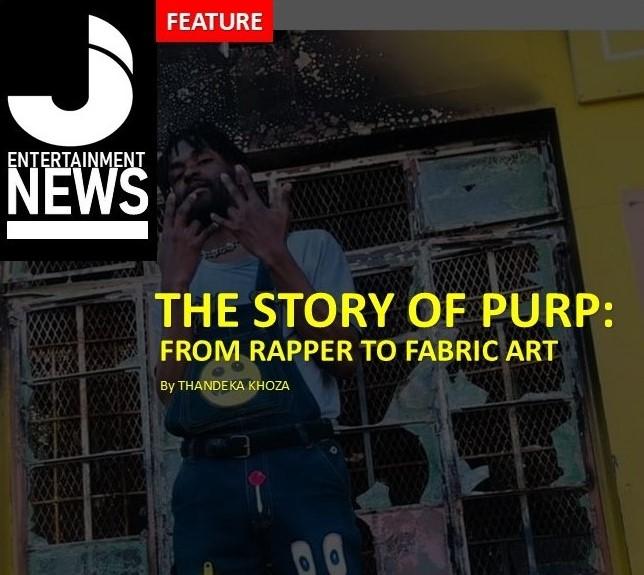
  • STORY OF PURP: FROM RAPPER TO FABRIC ART
    By Thandeka Khoza

    Mbabane— A career in the arts is a scary endeavour in the context of our beautiful country, Eswatini. Only a few are brave enough to even bother pursuing it. This is a reality that former Standstill Mafia rapper, Purp, is all too familiar with but is still up for the task of exploring all his creative capabilities through his fabric customization business, ‘Tattooed Clothing’.

    Essentially, what Purp does is you give him whatsoever clothing item you have, preferably one made from denim and all he does is paint some beautiful artwork on it. “I want people to be free and to express themselves,” he says, “they shouldn’t be afraid to wear things that are colourful and standout”. In as much as most people would recognize him more for being a rapper deeply involved in the country’s music scene, Purp—born Mkhuleko Mngomezulu—has understood clearly the importance of answering one’s calling in the arts and possibly making a proper living out of that passion. This became more apparent and necessary following his experience during the global pandemic where he lost his job and found himself without a stream of income. Thus he developed this idea of denim customisation. “I started off thrifting clothes for myself and customizing them just for myself until people who would see my designs began complimenting them and started asking me to do some items for them personally”, the rapper said. The inspiration behind even going this route also fed into his rap aspirations since it “did associate with the art ‘cause I wanted to have an image to as a rapper…as to how Purp is gonna look all customized and it was working for me”.

    Though Purp has not received any formal training in fine art, his God-given talent has been sharpened over the years through being in friendly competition with the friends in his circle who had a knack for drawing. He perfected it also through practicing on his own by, as he states, “seeing something and copy and pasting in my mind and then replicating it”. The latter would then be the method he would use in coming up with ideas for the type of art to paint onto his customers’ fabrics. Much of the inspiration for his drawings is from the Internet and specific customer requests. This is due to the fact that denim customization has limitations. He mentions “I feel like fabric painting has those limits ‘cause you’re not patching things like uyatfunga, you’re just painting.
    So you kinda have to get what the customer wants and then you can work with that”.

    Regarding plans for his business, Purp does aim to move into other avenues of creating artwork. “My future plans; I’m definitely starting a tattoo parlour!” he says, “I’m just all about art. From drawing funny comic book things to drawing portraits ebantfu to fabric design to tufting, I’m definitely venturing into all that”.


    STORY OF PURP: FROM RAPPER TO FABRIC ART By Thandeka Khoza Mbabane— A career in the arts is a scary endeavour in the context of our beautiful country, Eswatini. Only a few are brave enough to even bother pursuing it. This is a reality that former Standstill Mafia rapper, Purp, is all too familiar with but is still up for the task of exploring all his creative capabilities through his fabric customization business, ‘Tattooed Clothing’. Essentially, what Purp does is you give him whatsoever clothing item you have, preferably one made from denim and all he does is paint some beautiful artwork on it. “I want people to be free and to express themselves,” he says, “they shouldn’t be afraid to wear things that are colourful and standout”. In as much as most people would recognize him more for being a rapper deeply involved in the country’s music scene, Purp—born Mkhuleko Mngomezulu—has understood clearly the importance of answering one’s calling in the arts and possibly making a proper living out of that passion. This became more apparent and necessary following his experience during the global pandemic where he lost his job and found himself without a stream of income. Thus he developed this idea of denim customisation. “I started off thrifting clothes for myself and customizing them just for myself until people who would see my designs began complimenting them and started asking me to do some items for them personally”, the rapper said. The inspiration behind even going this route also fed into his rap aspirations since it “did associate with the art ‘cause I wanted to have an image to as a rapper…as to how Purp is gonna look all customized and it was working for me”. Though Purp has not received any formal training in fine art, his God-given talent has been sharpened over the years through being in friendly competition with the friends in his circle who had a knack for drawing. He perfected it also through practicing on his own by, as he states, “seeing something and copy and pasting in my mind and then replicating it”. The latter would then be the method he would use in coming up with ideas for the type of art to paint onto his customers’ fabrics. Much of the inspiration for his drawings is from the Internet and specific customer requests. This is due to the fact that denim customization has limitations. He mentions “I feel like fabric painting has those limits ‘cause you’re not patching things like uyatfunga, you’re just painting. So you kinda have to get what the customer wants and then you can work with that”. Regarding plans for his business, Purp does aim to move into other avenues of creating artwork. “My future plans; I’m definitely starting a tattoo parlour!” he says, “I’m just all about art. From drawing funny comic book things to drawing portraits ebantfu to fabric design to tufting, I’m definitely venturing into all that”.
    0 Comments 3 Shares 7K Views 0 Reviews
  • THE POWER OF AN ARTS & CULTURE COUNCIL : A BLUEPRINT FOR INNOVATION
    by Ayanda Isaacs

    We are witnessing an era where culture is becoming increasingly commodified, where a truly effective Arts and Culture Council has the power to fuel creativity, elevate local talent, and create a thriving, sustainable creative industry. But for that to happen, we need more than just bureaucratic oversight – we need leadership that understands the pulse of the streets, champions local culture over foreign interests, and fosters an environment where innovation can flourish.

    First and foremost, an Arts and Culture Council must be committed to empowering homegrown talent. Too often, we see government bodies favoring foreign investment at the expense of local creativity. The arts cannot simply become a marketplace for external entities to exploit; they must reflect the heart of a nation's identity. This means prioritizing local voices, giving emerging artists the tools to thrive, and ensuring that funding is allocated transparently, without falling victim to the corruption that has plagued many sectors.

    A vibrant and lucrative creative industry starts with sustained investment in both infrastructure and people. From music to fashion, theater to digital arts, innovation cannot flourish without proper funding and strategic development. Unfortunately, we’ve seen too many councils falter, misappropriating funds or failing to distribute them equitably. Funds should be used to develop talent, sponsor initiatives that push creative boundaries, and provide platforms for new voices, not lining the pockets of bureaucrats or political insiders.

    The creative industry thrives on the streets—on the grassroots level where ideas are raw and often unpolished but full of potential. A strong Arts and Culture Council must be deeply connected to these spaces. They should engage directly with local communities, foster public art projects, and ensure that cultural expression isn't stifled by red tape. If leadership fails to innovate or falls into complacency, it risks drowning the cultural scene in stagnation.

    Furthermore, a true arts council doesn't act as an agent of a kleptocracy. It doesn't stifle progress or perpetuate the cycle of incompetence and corruption that has held back so many institutions. The key is accountability – ensuring that funds are used effectively, projects are executed with transparency, and that the system is always evolving to meet the needs of the creative community.

    An Arts and Culture Council should be the beating heart of a country’s creative revolution, driving local talent, encouraging innovation, and fostering an environment where art is both a source of pride and a vehicle for economic growth.

    THE POWER OF AN ARTS & CULTURE COUNCIL : A BLUEPRINT FOR INNOVATION by Ayanda Isaacs We are witnessing an era where culture is becoming increasingly commodified, where a truly effective Arts and Culture Council has the power to fuel creativity, elevate local talent, and create a thriving, sustainable creative industry. But for that to happen, we need more than just bureaucratic oversight – we need leadership that understands the pulse of the streets, champions local culture over foreign interests, and fosters an environment where innovation can flourish. First and foremost, an Arts and Culture Council must be committed to empowering homegrown talent. Too often, we see government bodies favoring foreign investment at the expense of local creativity. The arts cannot simply become a marketplace for external entities to exploit; they must reflect the heart of a nation's identity. This means prioritizing local voices, giving emerging artists the tools to thrive, and ensuring that funding is allocated transparently, without falling victim to the corruption that has plagued many sectors. A vibrant and lucrative creative industry starts with sustained investment in both infrastructure and people. From music to fashion, theater to digital arts, innovation cannot flourish without proper funding and strategic development. Unfortunately, we’ve seen too many councils falter, misappropriating funds or failing to distribute them equitably. Funds should be used to develop talent, sponsor initiatives that push creative boundaries, and provide platforms for new voices, not lining the pockets of bureaucrats or political insiders. The creative industry thrives on the streets—on the grassroots level where ideas are raw and often unpolished but full of potential. A strong Arts and Culture Council must be deeply connected to these spaces. They should engage directly with local communities, foster public art projects, and ensure that cultural expression isn't stifled by red tape. If leadership fails to innovate or falls into complacency, it risks drowning the cultural scene in stagnation. Furthermore, a true arts council doesn't act as an agent of a kleptocracy. It doesn't stifle progress or perpetuate the cycle of incompetence and corruption that has held back so many institutions. The key is accountability – ensuring that funds are used effectively, projects are executed with transparency, and that the system is always evolving to meet the needs of the creative community. An Arts and Culture Council should be the beating heart of a country’s creative revolution, driving local talent, encouraging innovation, and fostering an environment where art is both a source of pride and a vehicle for economic growth.
    0 Comments 0 Shares 6K Views 0 Reviews