
 Street League
 Music
Music
 TV
TV
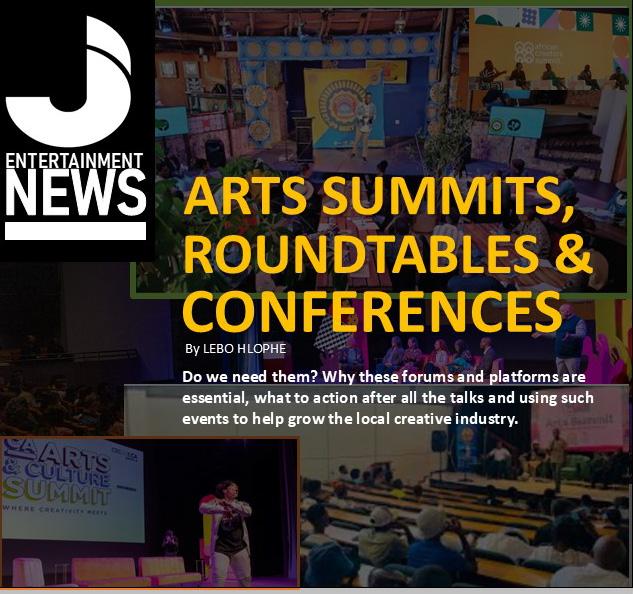
ARTS SUMMITS, ROUNDTABLES AND CONFERENCES - DO WE NEED THEM?
by Lebo Hlophe
In a world where the creative sector is increasingly recognized for its economic potential, arts summits and conferences have become indispensable platforms for growth and innovation. These events gather thought leaders, artists, entrepreneurs, and cultural policymakers, creating an environment where ideas flourish and opportunities emerge. But beyond the inspirational talks and workshops, arts summits serve as a critical tool for building vibrant, sustainable local creative industries.
One of the most valuable aspects of these events is the access they provide to new knowledge and ideas. Attendees can learn about the latest trends in the arts, explore funding opportunities, and gain insights into global and regional creative landscapes. However, simply attending these conferences is not enough. To make the most of the experience, participants should take a proactive approach. Keep a notebook or digital device handy to record key takeaways. When engaging with speakers, ask questions that connect the event's themes to your own community or industry.
Networking is another essential component of arts summits. These events bring together professionals from various sectors, offering an unparalleled opportunity to form collaborations, find mentors, and build lasting relationships. It’s crucial to approach networking strategically—focus on quality over quantity. Look for individuals whose work aligns with your values or goals and find ways to collaborate on projects that have the potential to elevate your local creative industry.
Using the knowledge and connections gained, return to your community with a clear action plan. Leverage the newfound insights to propose initiatives that can drive local creativity, such as workshops, mentorship programs, or partnerships between creatives and local businesses. Furthermore, advocating for policy support, such as funding for local artists or public art projects, can help strengthen the creative ecosystem.
Arts summits and conferences are not just about learning—they are about transforming that knowledge into real-world impact, ensuring the growth and sustainability of local creative industries for years to come.
by Lebo Hlophe
In a world where the creative sector is increasingly recognized for its economic potential, arts summits and conferences have become indispensable platforms for growth and innovation. These events gather thought leaders, artists, entrepreneurs, and cultural policymakers, creating an environment where ideas flourish and opportunities emerge. But beyond the inspirational talks and workshops, arts summits serve as a critical tool for building vibrant, sustainable local creative industries.
One of the most valuable aspects of these events is the access they provide to new knowledge and ideas. Attendees can learn about the latest trends in the arts, explore funding opportunities, and gain insights into global and regional creative landscapes. However, simply attending these conferences is not enough. To make the most of the experience, participants should take a proactive approach. Keep a notebook or digital device handy to record key takeaways. When engaging with speakers, ask questions that connect the event's themes to your own community or industry.
Networking is another essential component of arts summits. These events bring together professionals from various sectors, offering an unparalleled opportunity to form collaborations, find mentors, and build lasting relationships. It’s crucial to approach networking strategically—focus on quality over quantity. Look for individuals whose work aligns with your values or goals and find ways to collaborate on projects that have the potential to elevate your local creative industry.
Using the knowledge and connections gained, return to your community with a clear action plan. Leverage the newfound insights to propose initiatives that can drive local creativity, such as workshops, mentorship programs, or partnerships between creatives and local businesses. Furthermore, advocating for policy support, such as funding for local artists or public art projects, can help strengthen the creative ecosystem.
Arts summits and conferences are not just about learning—they are about transforming that knowledge into real-world impact, ensuring the growth and sustainability of local creative industries for years to come.
ARTS SUMMITS, ROUNDTABLES AND CONFERENCES - DO WE NEED THEM?
by Lebo Hlophe
In a world where the creative sector is increasingly recognized for its economic potential, arts summits and conferences have become indispensable platforms for growth and innovation. These events gather thought leaders, artists, entrepreneurs, and cultural policymakers, creating an environment where ideas flourish and opportunities emerge. But beyond the inspirational talks and workshops, arts summits serve as a critical tool for building vibrant, sustainable local creative industries.
One of the most valuable aspects of these events is the access they provide to new knowledge and ideas. Attendees can learn about the latest trends in the arts, explore funding opportunities, and gain insights into global and regional creative landscapes. However, simply attending these conferences is not enough. To make the most of the experience, participants should take a proactive approach. Keep a notebook or digital device handy to record key takeaways. When engaging with speakers, ask questions that connect the event's themes to your own community or industry.
Networking is another essential component of arts summits. These events bring together professionals from various sectors, offering an unparalleled opportunity to form collaborations, find mentors, and build lasting relationships. It’s crucial to approach networking strategically—focus on quality over quantity. Look for individuals whose work aligns with your values or goals and find ways to collaborate on projects that have the potential to elevate your local creative industry.
Using the knowledge and connections gained, return to your community with a clear action plan. Leverage the newfound insights to propose initiatives that can drive local creativity, such as workshops, mentorship programs, or partnerships between creatives and local businesses. Furthermore, advocating for policy support, such as funding for local artists or public art projects, can help strengthen the creative ecosystem.
Arts summits and conferences are not just about learning—they are about transforming that knowledge into real-world impact, ensuring the growth and sustainability of local creative industries for years to come.


 French
 Portuguese